
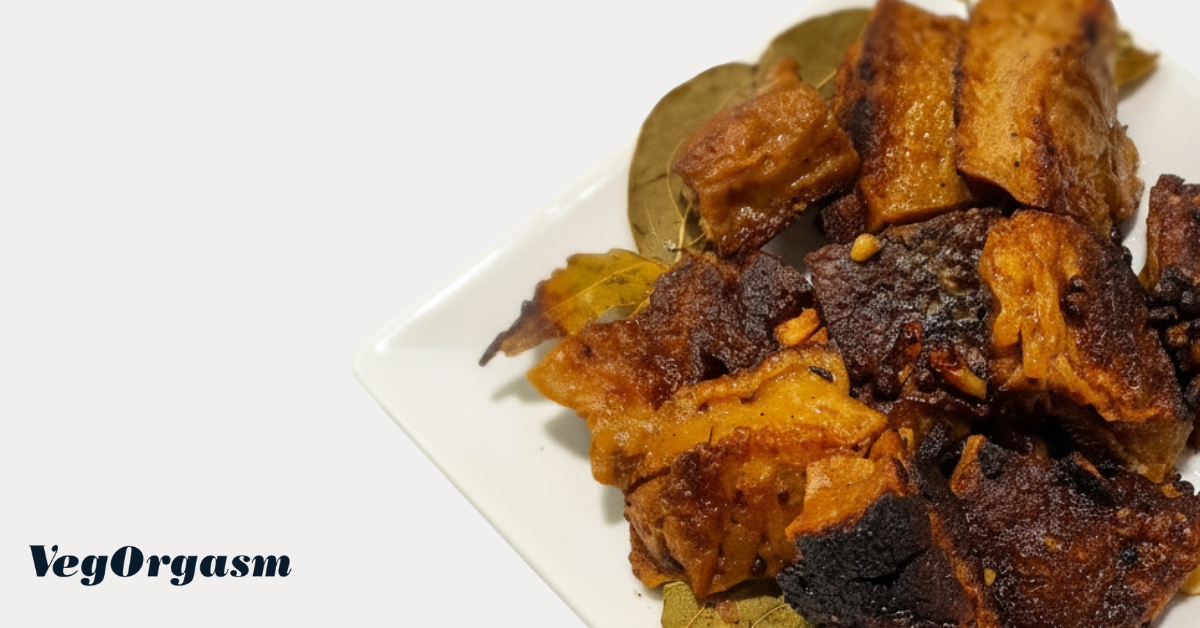
Adobong puti doesn’t give a toss about Independence Day. Neither do the politicians who dust off their barong every June 12, spouting lines about kalayaan like they’re auditioning for a teleserye. Freedom? It’s a tired balikbayan box of history, opened and repacked with the same old drama—Marcos out, Marcos in, rinse, repeat. Like a Spotify playlist stuck on shuffle, but nobody’s dancing.
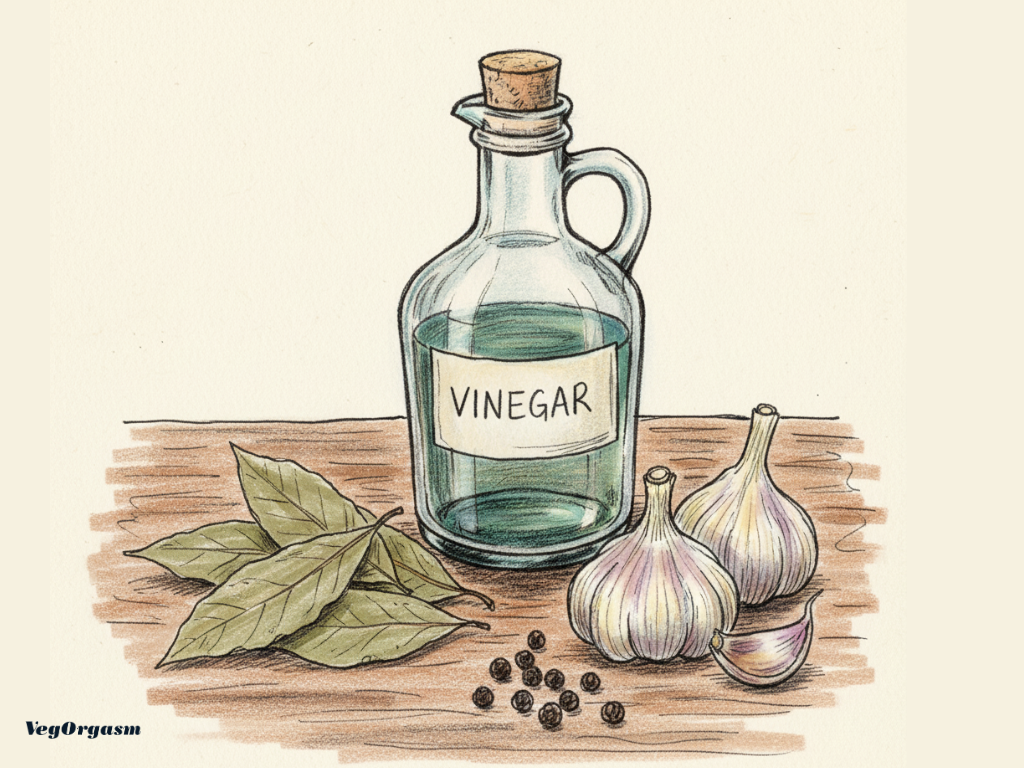
The streets are loud—barkers hawking flags, X posts screaming #PinoyPride, politicians fake-crying for the cameras. All the theatrics, layered like grease on a dirty wok. Then there’s adobong puti, simmering in the background like your tita’s side-eye at a family reunion. No Chinese influence (soy sauce), no sugar, just vinegar that bites harder than a Marites. It’s not here to impress. It’s here to cut through the pabibo nonsense.
And it’s not just the politicians putting on a show. Pinoy pride itself is a performance, spilling over from flag-waving to food, where every dish is a sacred tale needing a standing ovation. Adobong puti, though? It scoffs at the script, whether it’s a senator’s speech or a foodie’s tears. Vinegar doesn’t care who you stan—it just burns.
A Side Dish of Pinoy Pride
Pinoy pride in food is like a broken record of Lola’s adobo stories. Every blog, every vlog, starts with “I remember Lola’s…” then drowns in childhood flashbacks. ‘K. It’s sweet, but it’s predictable.
Post on X that you’re not into Filipino food, and it’s like you’ve insulted the entire barangay. “How dare you hate adobo!” they’ll scream, as if the dish might cry itself to sleep. Hoy, adobo doesn’t need your hashtag army. Its vinegar doesn’t care if you stan it or not—it’s too busy stripping the sawsawan of sentimentality.
This is where the joke turns bitter. Pinoy pride demands applause, but adobong puti doesn’t even clap back. It just sits there, simmering, daring you to taste it without wincing. The suka is a mirror: it shows you exactly what you’re swallowing, no more, no less.
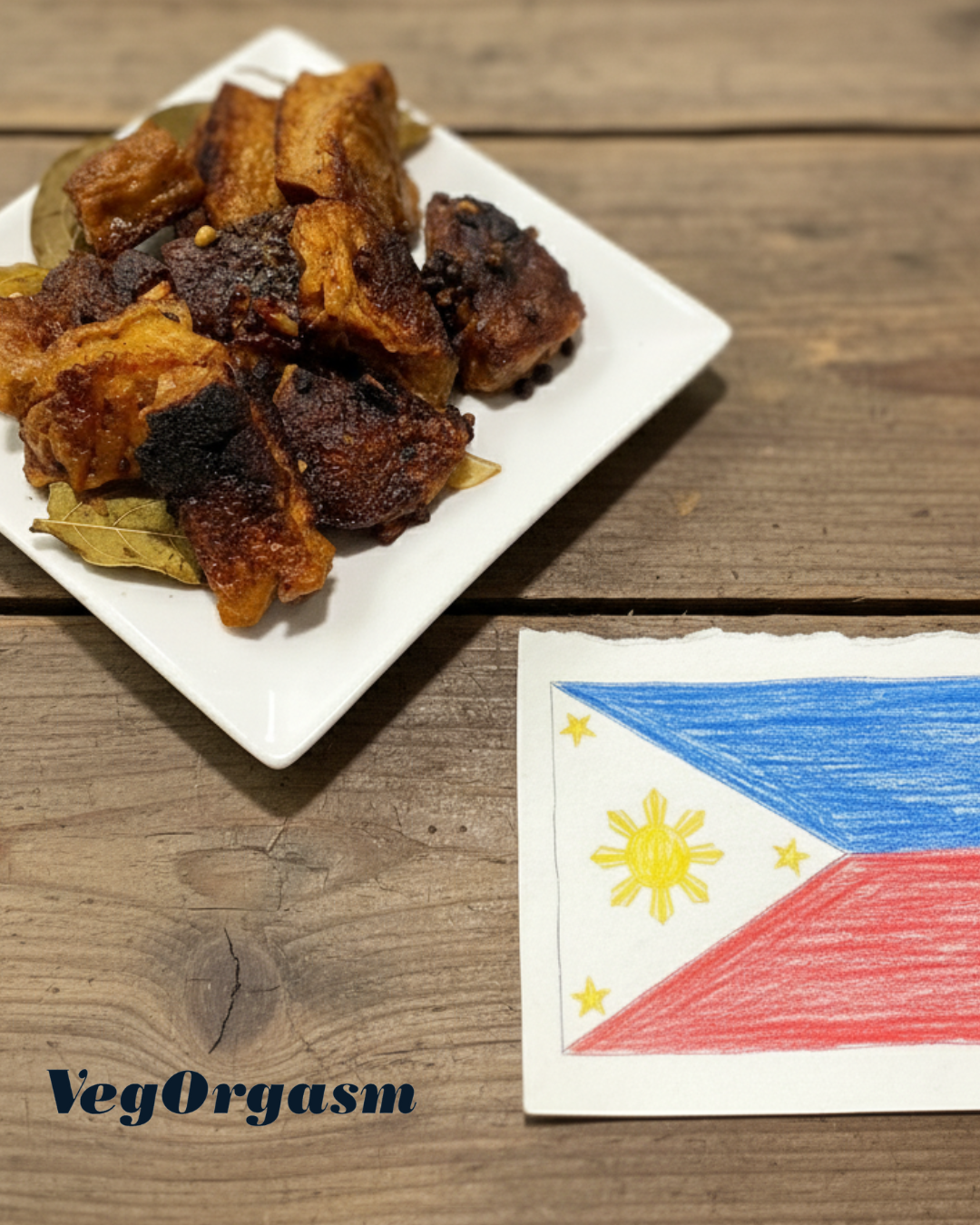
Kalayaan, Diluted
Kalayaan cannot be found in speeches or social media trends. It’s in the palengke haggling, the sari-sari store hustle, the waste worker’s cart pushing through floodwater. Survival is where real freedom hides.
But survival here often gets dressed up as “resilience.” Flooded again? “Kaya yan, Pinoy is resilient.” Another corrupt official? “Move on na, forgive and forget.” Resilience has become the national flavor, like watered-down vinegar—sharpness lost, bite neutralized, always mixed with too much sugar for comfort.
Thirty-seven years ago, we sent a dictator packing, shoes and all. Then his son strolled back into Malacañang. That’s Philippine history: not a revolution, not a sitcom, just a series of bad reruns. Independence Day keeps coming, like a fiesta you’re dragged to—humid flags, recycled speeches, Pinoy Ako blasting from every sari-sari store speaker.
Lugaw, Adobo, and Acid Truths
During Duterte’s pandemic chaos, lugaw became a quiet rebellion. A bowl of water and rice, cheap as a jeepney ride, turned into a middle finger to the establishment. Lugaw said: survival doesn’t need your permission.
Adobong puti says the same thing, but louder. No soy gloss, no sentimental garnish, just vinegar and garlic doing the dirty work. Whether pork belly or seitan, the suka always wins—sharp as a knife, cutting through grease and excuses alike.
This isn’t about tradition or innovation; it’s about honesty. Food that doesn’t flatter you. Food that doesn’t care if you clap.
The Taste of Real Freedom
So what is independence? Not the politician’s soundbite, not the parade, not the hashtag drowned in confetti. It’s not resilience either, that tired smile-through-the-hardship routine.
Kalayaan should taste like vinegar. Sharp, uncompromising, impossible to sweeten without losing its character. But here, we keep watering it down with pride, awa, and forgiveness—until the burn disappears and the same old rulers stroll back into power.
The push for real freedom doesn’t forgive, doesn’t forget. It bites.