
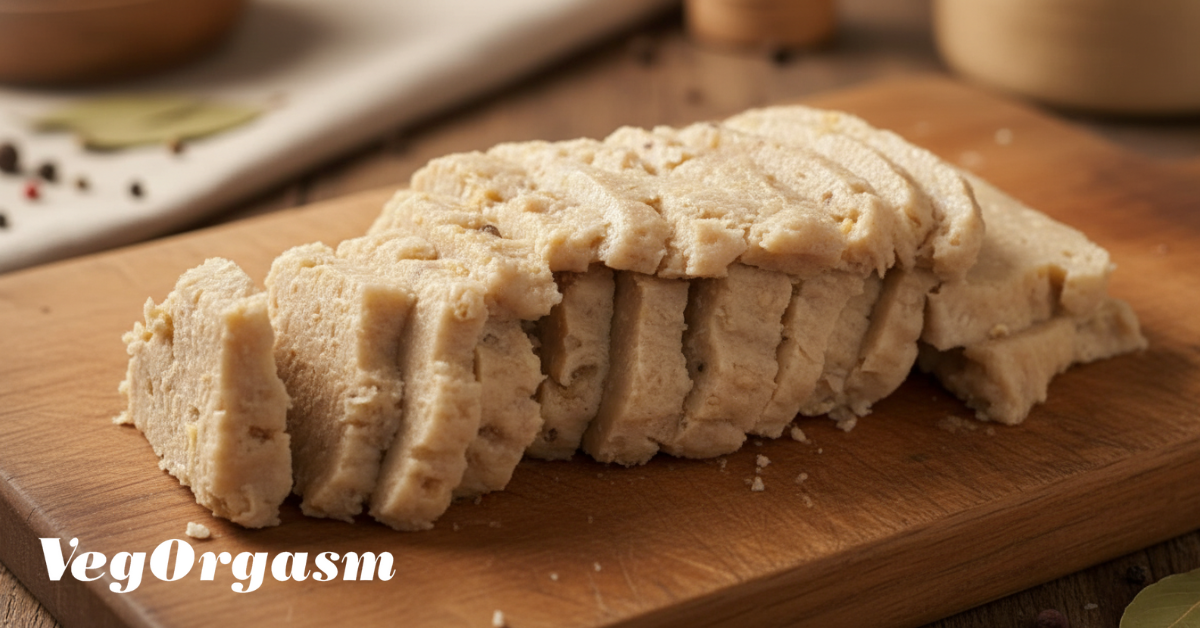
Seitan delivers it like a pro in a gritty encounter. Steady, confident, and built to last. No extras needed. It’s flavour with follow-through. This isn’t the kind of food that apologises for pretending since it delivers. Full stop. It is convincing enough to make you forget what’s real for a moment. It’s not meat, but it plays the role so well you stop caring.
What the Hell Is Seitan, Anyway?
This tough piece traces its roots back to 6th-century China, where Buddhist monks crafted the protein dream to replace meat, knocking together a stand-in that fools even the sharpest palate. Fast-forward to the ‘60s, and Japanese macrobiotics bloke George Ohsawa coined “seitan,” mashing “sei” for that raw vitality with “tan” for the protein punch. At its heart, it’s vital wheat gluten—the stretchy bastard that gives dough its bounce, much like a ripped physique straining under pressure. What pulls in the meat die-hards? That fibrous chew copying real tissue, soaking up marinades like a keen lad in a Sean Cody bukkake.
From Wheat to Meat – How It’s Made
Turning plain flour into starts simple enough, though it ramps up a tension that gets the blood going. Back in the monks’ era, they’d grab regular flour and mix a massive dough, then knead it underwater to rinse out the starch, leaving just the gluten behind. Proper heavy lifting, that method—guzzles water like nobody’s business, and chucking the murky starch runoff feels like pure waste. (I know you could make something out of that – but I can’t be arsed).
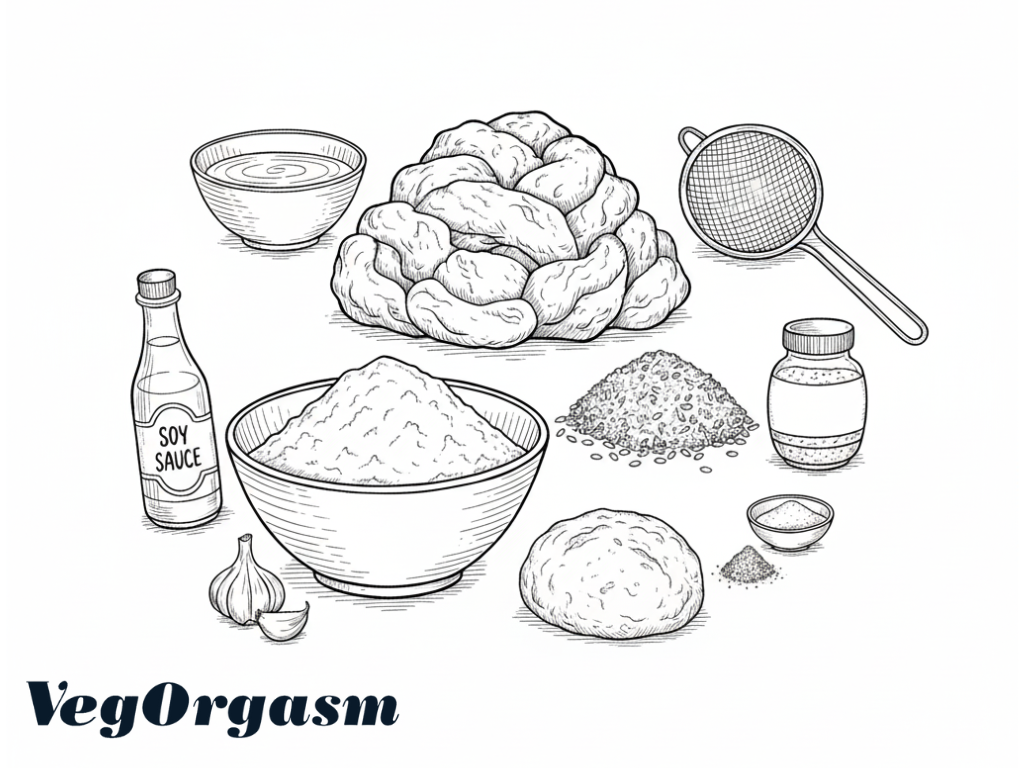
Then, we can cut the bollocks by starting with vital wheat gluten flour, keeping things clean and quick. Sift together a cup of the gluten with ¼ cup of chickpea flour, stir in a teaspoon each of onion and garlic powder, and a quarter teaspoon of white pepper for that subtle kick. In a separate bowl, whisk up three-quarters of a cup of water with two tablespoons of miso (or nutritional yeast, if you’re posh), a tablespoon of tamari or soy sauce, a splash of vegetable oil, and perhaps a dash of browning liquid or beet root powder if you’re aiming to mimic beef.
Pour the wet mix into the dry and stir until it forms a shaggy dough. That’s when the real graft kicks in: kneading. Approach it like edging a willing bloke, drawing out the strain with firm, deliberate pushes. Start off gently to test the dough’s resistance, then build the rhythm—fold, thrust, twist—coaxing those gluten strands right up to the brink without tipping over. It’ll push back stiff and unyielding at first, but keep at it, holding the peak just out of reach, until the whole thing yields into a sleek, rugged mass buzzing with potential. If there’s any lingering starch, rinse it off under cold water and bin the scraps, leaving you with the pure essence. For cooking, bring six cups of vegetable broth to a rolling boil—or go for a beef-style version if you want deeper flavour, with ideas from The Gentle Chef’s site.
Drop in the dough, turn down to a simmer for about an hour until it’s firm and ready, or opt for steaming or baking if you fancy a different texture. Pro tip: weave in some cumin and miso for an extra sharp edge; it’s far less hassle than faking a climax and guarantees a solid payoff every single time.
Sinfully Satisfying Ways to Serve It
- Bloody BBQ Seitan Ribs. Cut into rough slabs. Soak in smoky sauce with beet juice for that wicked red drip. Grill till scarred and shining, the way street isaw should be. Sticky fingers, messy lips — no regrets after.
- Hellfire Stir-Fry. Thin slices, tossed fast with chillies, garlic, and greens. Starts polite, ends in sweat. Every mouthful hits like late-night silog after sin.
- Unholy Roast Beast. Form it firm, coat in herbs and gravy, then slow-roast till tender and proud. It holds its shape, even when you don’t. This one’s a quiet kind of power — no words, just heat and surrender.
- Fleshless Kebabs for the Damned and Divine. Skewer with onions, peppers, and a bit of chaos. Char them till the edges flirt with ruin. It’s the sort of food that makes you bite harder than planned.
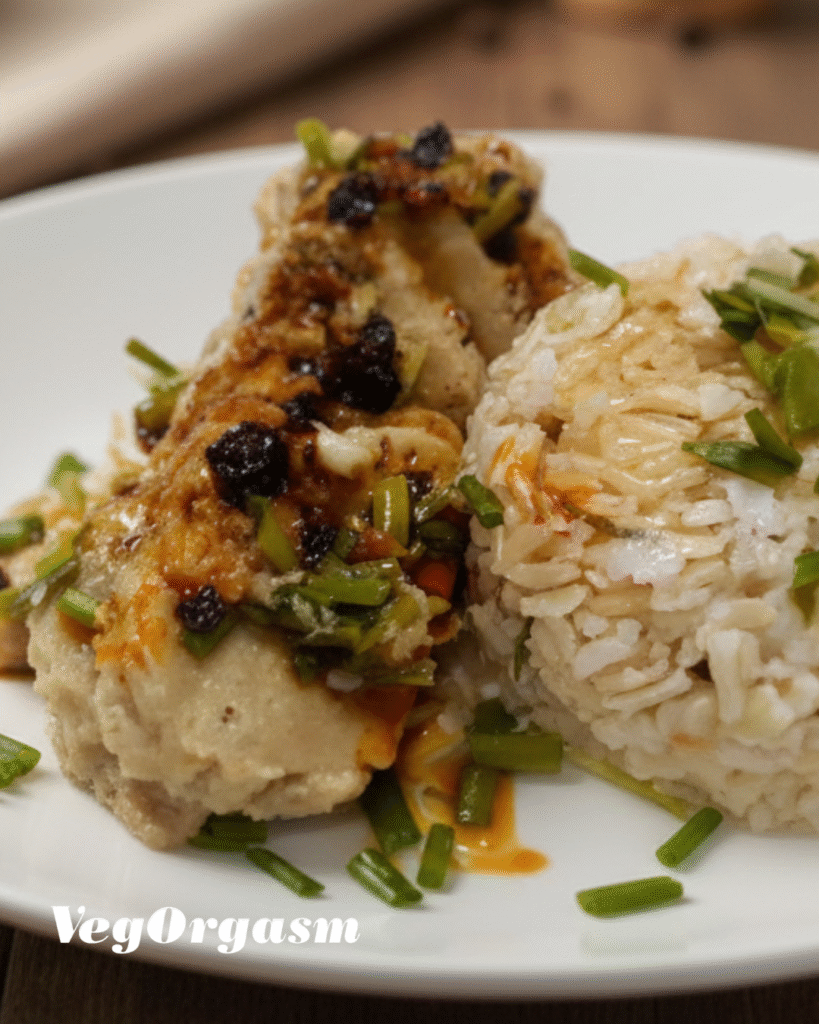
- Vegan Hainanese “Chicken” — For When You Want to Be Good but Not Too Good. Boil your seitan in ginger broth till tender, then brush with sesame oil and smugness. Serve with garlic rice and chilli dip that knows too much. It’s the cleanest sin you’ll ever eat — soft, fragrant, and just moral enough to make you feel naughty about feeling pure.
The Illusion of Flesh
Seitan’s a tease: all muscle, no meat. Performs so convincingly you almost forget it’s an act. Like the gay-for-pay star of the pantry: committed, precise, convincing. You know it’s not flesh, but you don’t care. The bite, the chew, the satisfaction — all of it hits exactly where it should. It’s imitation done with devotion, not deception.
Of course, it polarizes. Some vegans clutch their hemp pearls: too meaty, they sniff. Meat-eaters glare: why eat something pretending to be meat? It’s the same old debate, tired and predictable. Meanwhile, seitan keeps flexing — unbothered, delicious, doing the job it came to do.
Making Peace with Seitan
In the end, it’s not that deep. Seitan is vice without the murder. You cook it, you taste it, you get why it works. No need to explain it to anyone. It’s not trying to be meat, and it’s not pretending to be holy either. It just shows up, does its thing, and leaves you satisfied. Let the others argue about what’s real or righteous. You’ve already seen the performance. You’ve already eaten. Amen.
- Bob’s Red Mill Natural Foods. (n.d.). What Is Seitan, and Is It Healthy? Retrieved from [https://www.bobsredmill.com/](https://www.bobsredmill.com/).
- Clinikally. (n.d.). Seitan Unveiled: Nutritional Guide, Advantages, Risks …. Retrieved from [https://www.clinikally.com/](https://www.clinikally.com/).
- Dietitian Debbie Dishes. (n.d.). Seitan vs Tofu: Nutrition, Taste, and Recipes. Retrieved from [https://dietitiandebbie.com/accessibility-policy/](https://dietitiandebbie.com/accessibility-policy/).
- Dr. Axe. (n.d.). Is Seitan Healthy? Benefits, Downsides and How to Make. Retrieved from [https://draxe.com/](https://draxe.com/).
- EatingWell. (n.d.). What Is Seitan and Is It Healthy? Here’s What a Dietitian Says. Retrieved from [https://www.eatingwell.com/](https://www.eatingwell.com/).
- GoodRx. (n.d.). Is Seitan Good for You? Nutrition, Tips for Use, and More. Retrieved from [https://www.goodrx.com/](https://www.goodrx.com/).
- Healthline. (n.d.). Seitan: A Plant-Based Meat Alternative You Should Try. Retrieved from [https://www.healthline.com/](https://www.healthline.com/).
- RealSimple. (n.d.). Seitan Nutrition and Benefits: High Protein, Calcium, and B Vitamins. Retrieved from [https://www.realsimple.com/](https://www.realsimple.com/).
- Reddit. (n.d.). What’s the deal with seitan? Retrieved from [https://www.reddit.com/r/vegetarian/](https://www.reddit.com/r/vegetarian/).