
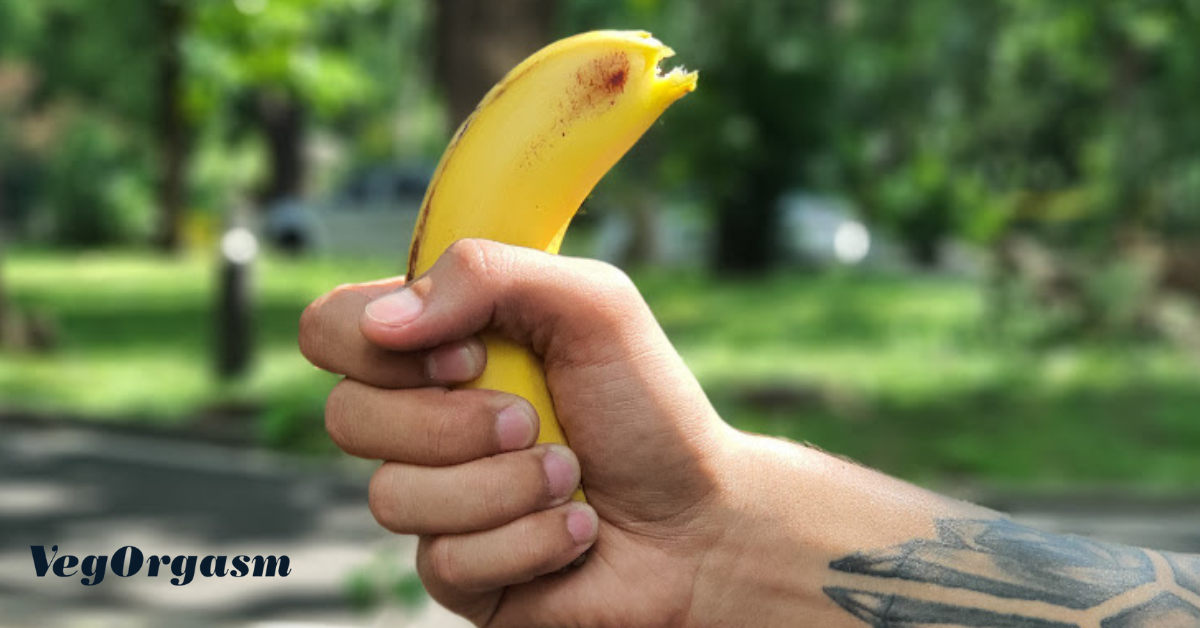
Say adios to “Jerk-Off Month” and hola to wedding season — that strange time of year when everyone suddenly pretends monogamy is hot. And what better fruit to celebrate new unions than the all-powerful banana? Apples may have Eden on lock, but if the forbidden fruit had been a banana, trust me, Adam and Eve would’ve dropped the fig leaves and gone straight to round two.
Banana Foreplay
Bananas aren’t just porn-star props in fruit form — they’ve got history. These golden curves started in Southeast Asia, were snacked on in Africa and the Middle East, and eventually ended up in every palengke. Fact: Bananas are berries grown by giant herbs. Yes, you read that right — every time you deep-throat one, you’re technically eating your greens. Your mom would be so proud.
The Banana Crisis
However, it gets less sexy: your trusty Cavendish banana (the one that fuels post-gym shakes and wedding cakes) is on life support. Remember the Gros Michel? Thick, juicy, supposedly more flavorful? It dominated the global market until the 1950s, when Panama Disease wiped it out like a bad studio bottom who couldn’t keep up. The Cavendish replaced it because it could resist that strain of the fungus — but now a new one, Tropical Race 4 (TR4), is gunning for it.
And since Cavendish bananas are basically clones (genetically identical, zero variety), if one goes down, the whole plantation goes down. That’s why experts warn we’re one big outbreak away from major banana chaos.
Why Free Trade Matters
Enter fair trade — the safeword the banana industry desperately needs. And unlike most safewords, this one keeps the party going. Here’s how:
- Banana Threesomes (Agroforestry & Mixed Cropping). Fair trade encourages farmers to grow bananas alongside other crops and trees. Think of it as a threeway — or fourway — where everyone benefits. Less monoculture means more biodiversity, which makes farms tougher, sexier, and way less fragile than those one-trick Gros Michel plantations that got wiped out.
- Clean Play Only (Clean Chemistry, No Dirty Stuff). Fair trade isn’t about going full crunchy granola. It’s about using chemicals responsibly — the right dose, the right time, and none of the truly nasty crap that wrecks ecosystems. Think of it like lube: too much, and it’s a mess; the wrong kind, and it burns; but just enough of the good stuff keeps everything smooth, safe, and sustainable.
- Variety is Hot (Biodiversity = Resilience). Imagine porn where every model looked the same. Boring, right? That’s what monoculture farming does. Fair trade promotes diversity — in crops, in ecosystems, in life. And variety isn’t just fun; it keeps pests and diseases from spreading like lube on leather sheets.
- Premiums That Pay (Farmers Get Their Cut). Fair trade bananas come with extra cash called premiums. Farmers often invest that into reforestation, organic training, or community projects. It’s basically profit-sharing, except instead of a studio boss buying a new Mercedes, local farmers get better schools, healthier soil, and a future that doesn’t collapse when TR4 rolls in. Fair trade isn’t about turning your morning smoothie into a virtue signal. It’s about making sure the guy who grew your fruit doesn’t get screwed without lube — and that you’ll still have something firm and yellow to grip in the years ahead.
Banana Republics and Bitter Truths
Let’s not forget: bananas have a darker past than your browser history. The United Fruit Company (now Chiquita) wasn’t just selling fruit — they were staging coups, toppling governments, and even linked to the infamous 1928 Banana Massacre in Colombia. That’s where the term “banana republic” came from, not some overpriced mall store.
So yeah, when you’re eating a banana, you’re also biting into a history of corporate greed and U.S. imperialism. Sweet and sour at the same time.
Bananas and the Big Finish
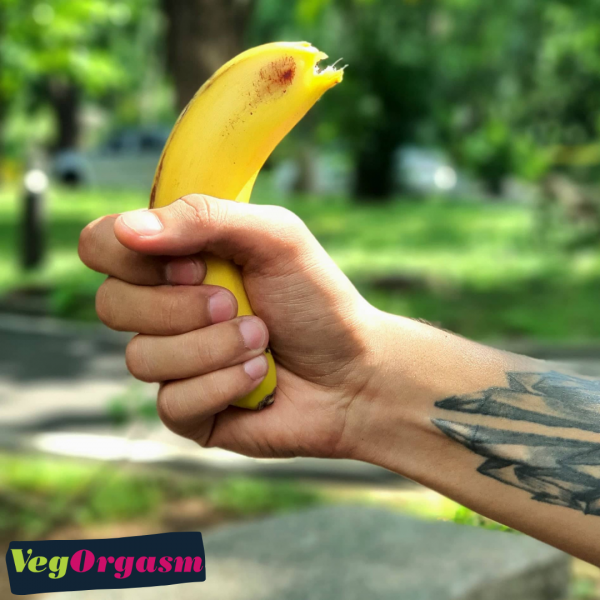
Before I go the full grim and determined route, let’s swing back to the wedding aisle. Bananas aren’t just about politics and pathogens — they’re also fertility symbols. Which makes them perfect for the wedding season. Forget bland fondant cakes: imagine a vegan banana cake, moist and decadent (yes, moist), spiced with cinnamon, towering over the dessert table. Or a fair trade banana smoothie bar where guests DIY their drinks with plant milks and cheeky toppings. Even favors — banana jam in tiny jars with a note that says, “Here’s to keeping things slippery.”
Bananas (supposedly) bring abundance, fertility, and just enough phallic energy to make Aunt Karen clutch her pearls. And that’s exactly what a good wedding needs.
Afterglow: The Final Peel
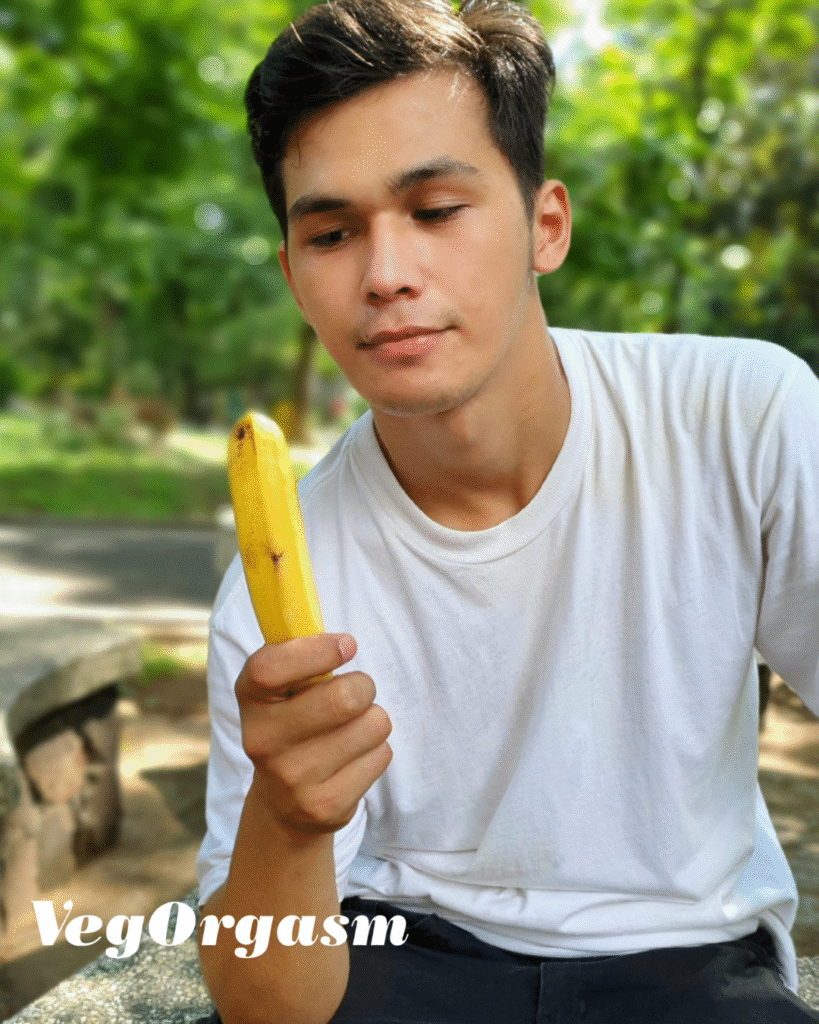
Here’s the truth under the peel: the banana is pleasure and politics rolled into one. It’s history, empire, biodiversity, and brunch fuel, all in a tight yellow package. By choosing fair trade, you’re not just doing the vegan virtue signal — you’re helping farmers earn a living, keeping ecosystems alive, and making sure your post-workout shake still has its star ingredient in ten years.
Grip it, peel it, devour it however you like. Just don’t forget: the banana has always been the dirtiest, most dramatic fruit in the bowl — and the show’s not over yet.
[Model: Paul Kevin Hall]
Banana Link. (2022). Why Fairtrade matters for bananas. https://www.bananalink.org.uk/fairtrade
Fairtrade International. (2023). Fairtrade standards for bananas. https://www.fairtrade.net/standard/bananas
Food and Agriculture Organization of the United Nations. (2020). Fusarium wilt of banana: A recurring threat to global banana production. http://www.fao.org/fusarium-wilt/en/
Koeppel, D. (2019, August 16). The banana is one step closer to disappearing. Scientific American. https://www.scientificamerican.com/article/the-banana-is-one-step-closer-to-disappearing/
Ordonez, N., Seidl, M. F., Waalwijk, C., Drenth, A., Kilian, A., Thomma, B. P. H. J., Ploetz, R. C., & Kema, G. H. J. (2015). Fusarium wilt of banana: Current knowledge on the global threat. Nature Plants, 1, Article 15176. https://doi.org/10.1038/nplants.2015.176
World Banana Forum. (2021). Promoting sustainability in the banana industry. http://www.fao.org/world-banana-forum/en/