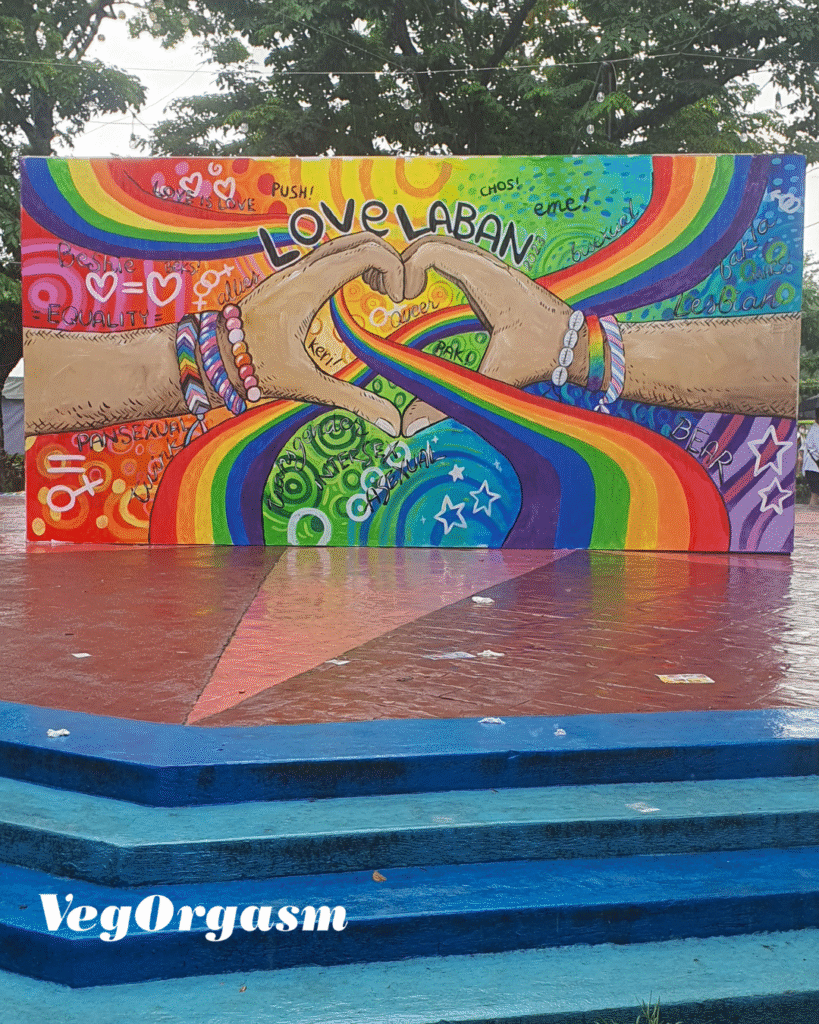
Ah, Pride Month in the Philippines: when the streets sparkle with rainbow flags, social media feeds explode in pastel chaos, and corporate logos suddenly discover they “support” the LGBT community. Amid the glitter and the selfie sticks, the Philippine SOGIE Bill quietly insists that rights and dignity aren’t seasonal. Yes, it’s 2023, yet the fight for equality remains as urgent as ever.

The Genesis of the SOGIE Bill
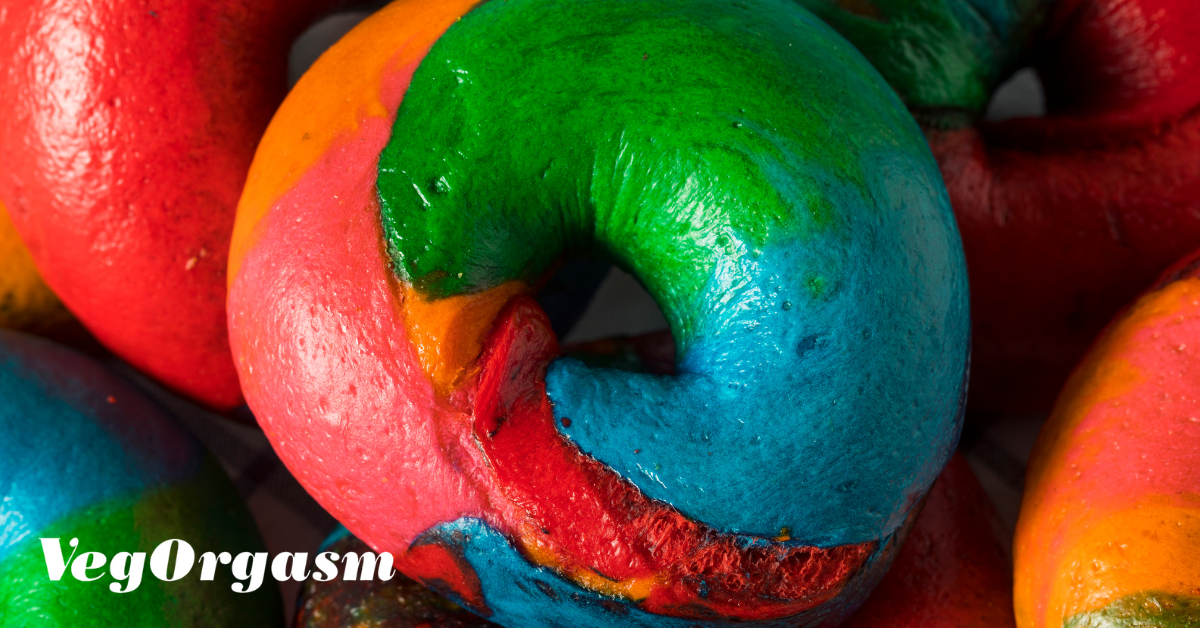
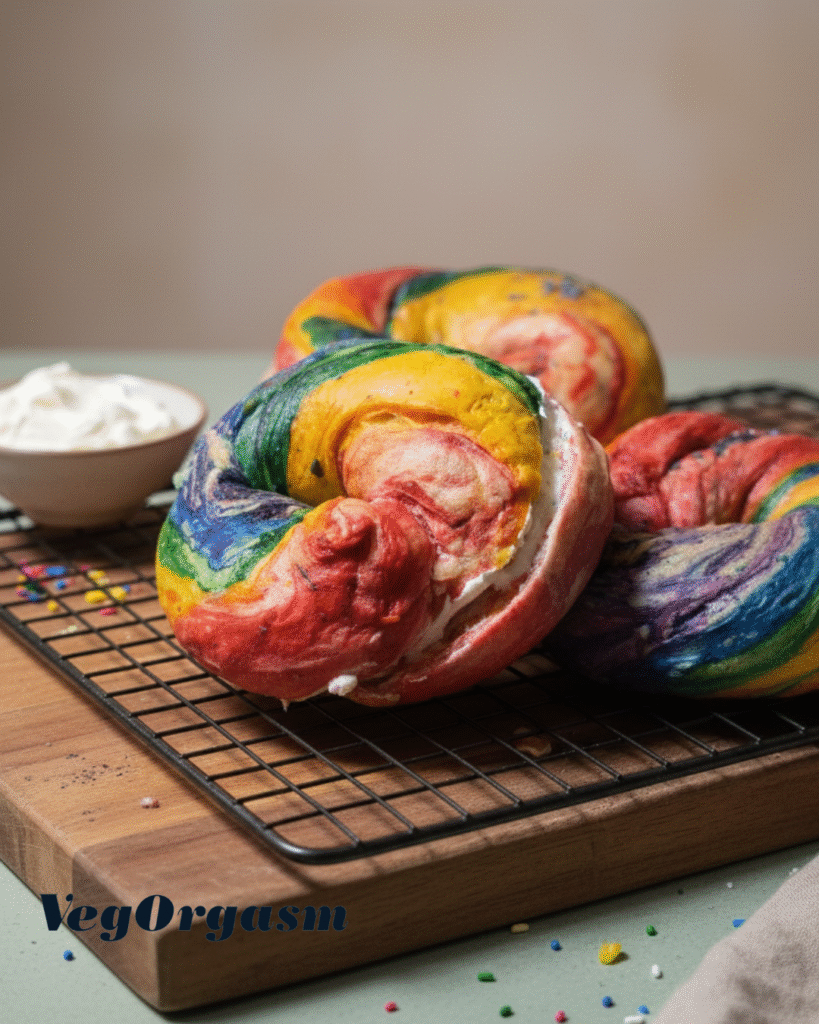
First proposed to the 13th Congress in 2004 by Akbayan’s Etta Rosales, the SOGIE Bill—short for Sexual Orientation and Gender Identity and Expression—was designed to protect LGBT Filipinos from discrimination. Imagine a rainbow bagel: lovely, layered, and oddly delicious. The bill, much like that bread, celebrates difference while demanding attention. Its goal? A society where queerness isn’t punished, mocked, or sidelined.
Despite over two decades of advocacy, the SOGIE Bill has crawled through Congress at the speed of a drunk drag queen in stilettos on cobblestones. Opposition is as predictable as it is grotesque: conservative politicians and sanctimonious religious groups frothing at the mouth, peddling lies like street-corner smut. They screech that the bill erases gender, fines the faithful for “wrongthink,” or—my personal favourite fever dream—legalises paedophilia. It’s absurd theatre, but they play it with straight faces, and somehow people keep buying tickets. The result? Queer Filipinos are left feeling double-penetrated in the worst way imaginable: no lube, no climax, and not even the dignity of a cigarette after. Think of a mega edging session except there’s nothing sexy, just 23 years of blue balls courtesy of the Philippine Congress.
Incidents that Shook the Community
2019 slapped the Philippines across the face with a reminder that the SOGIE Bill isn’t some abstract debate; it’s survival. A transgender woman was denied entry to a women’s restroom, because apparently, some people think urinals are a birthright. The outrage was instant—hashtags trended and loud voices called out.
But no. Anti-SOGIE crusaders doubled down, peddling their favourite bedtime story: that queer protections are “special rights,” a glitter-coated apocalypse for Filipino values. It’s almost admirable, the sheer creativity of their misinformation—like Bel Ami titles, they just keep pumping them out, except instead of Tender Strangers in Prague, we get The Death of Family Values, Part 69.
Meanwhile, bill proponents kept their cool, reminding everyone that faith and queerness aren’t mutually exclusive—Jesus never said a damn thing about rest rooms, but He was definitely into washing feet. Some churches even celebrate same-sex unions, which must really ruin the Vatican’s gag reflex. The message is simple: the SOGIE Bill isn’t about privilege; it’s about protection, dignity, and the radical notion that queer Filipinos deserve to pee in peace.
The Lingering Struggle
Discrimination in the Philippines isn’t hypothetical—it’s the daily background noise. From offices to classrooms to public bathrooms, queer Filipinos are still treated like suspicious packages no one wants to claim. A handful of forward-thinking companies have protections in place, but most prefer to clutch their pearls and call it “tradition.” Meanwhile, social media spreads half-truths and panic faster than a chismis chain text.
Every Pride parade, with its glitter-drenched floats and rainbow t-shirts, reminds the nation that visibility matters. But rhinestones don’t repeal prejudice. Legislation does. It says queer Filipinos deserve to live, work, and love without needing permission slips from bishops or bureaucrats.
Why We Keep Fighting
Change is slow, frustrating, and sometimes absurd—but utterly necessary. Empathy, courage, and persistence form the recipe for progress. Imagine if the Philippines treated equality with the same care it reserves for artisanal rainbow bagels: layered, intentional, and impossible to ignore. That’s the world the SOGIE Bill seeks to create—a society where LGBT Filipinos are not only tolerated but celebrated.
As Pride Month unfolds and the rainbow flags flutter above the streets, be reminded that equality isn’t seasonal, and that love, respect, and dignity should be as omnipresent as your local café’s overpriced rainbow pastries. Together, the LGBT community and allies continue to push for a nation that embraces every shade of the rainbow—both literally and metaphorically.