
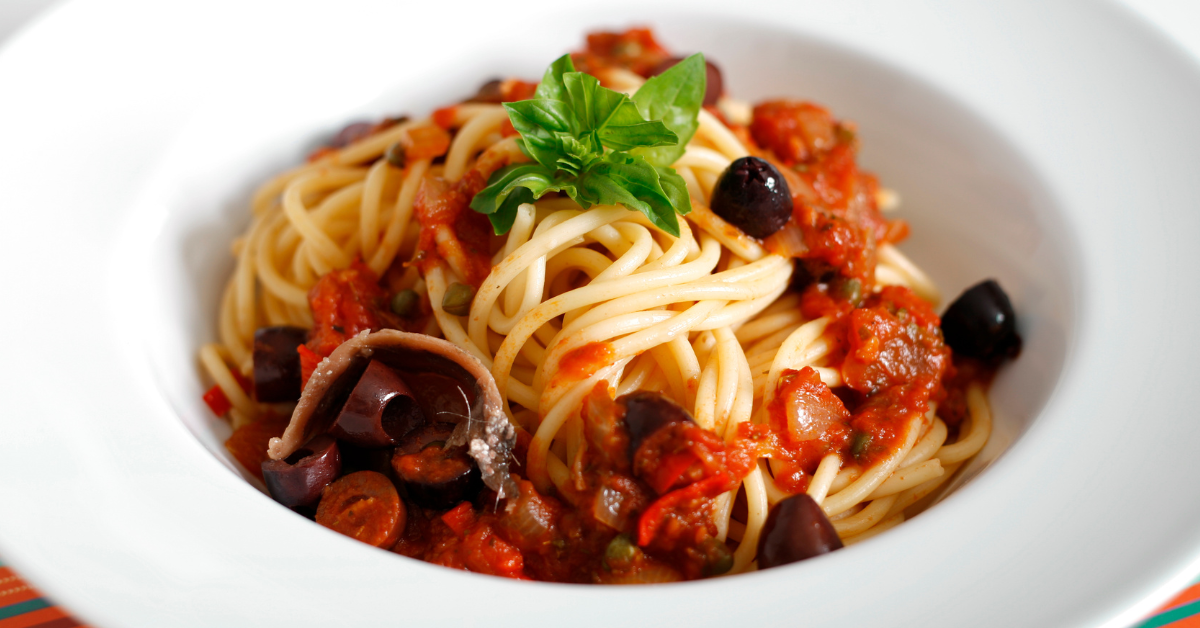
Let’s get saucy. I’m talking about puttanesca—that wild, briny, garlicky Italian classic whose name alone makes you feel like a puta. Quick, bold, and unapologetic, it’s perfect for twirling while thinking about sex work—messy, layered, and impossible to ignore. June 2nd isn’t just another date—it’s International Sex Workers’ Day, when the red umbrella comes out. Here in the ‘Pinas, the fight is raw, messy, and very real. Sex work here isn’t some romantic pasta story; it’s survival, it’s hustle, it’s human—and it demands respect.
In the Philippines, sex work lives in the shadows—technically illegal under Article 202 of the Revised Penal Code, but very much alive and hustling. Depending on who you ask, anywhere from half a million to almost a million people are in the trade. Mostly women, yes, but plenty of men and trans workers too, holding their own in the game.
Poverty, dead-end jobs, and the lure of fast cash pull people in, especially in hotspots like Angeles City, Makati, and Cebu. Some women get pushed in way too young—sometimes before 18—and that comes with all the dangers you’d expect: HIV, STIs, shady middlemen. Men and trans workers? They get their own cocktail of stigma and risk, though some are flipping the script and turning into advocates.
The scene runs through bars, karaoke joints, massage parlours, and now, of course, the internet—where a lot of guys and trans folks hustle through apps and DMs. Online is anonymous, but also isolating. Still, sex workers are nothing if not resourceful: they swap tips, share health resources, and build little underground support networks. It’s survival, it’s community, it’s resilience with eyeliner smudged and heels kicked off at the end of the night.
Garlic, Olives, and a Touch of Rebellion
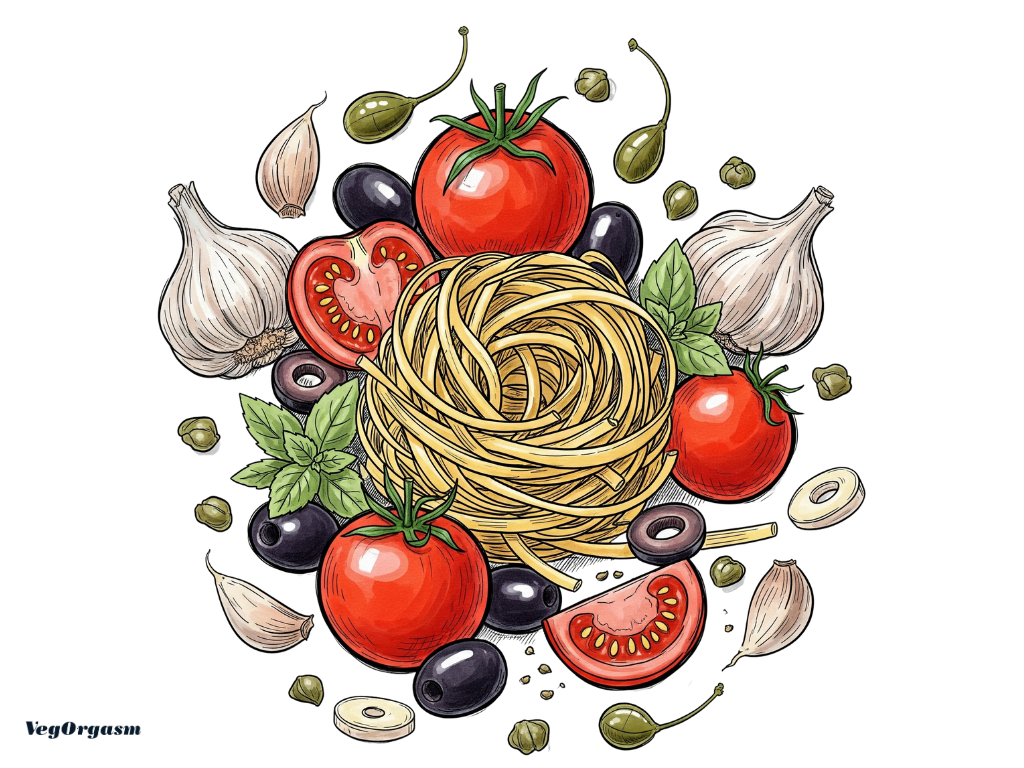
Think of puttanesca as an act of rebellion. You drown garlic in olive oil, let the pepper flakes sting the air, and watch the tomatoes bubble like they’re up to something sinful. Capers and olives crash the party, briny and unapologetic. By the time you’re twirling that spaghetti, it’s chaos on a fork—messy, layered, impossible to tame. Which, honestly, is the perfect metaphor for sex work in the Philippines.
Here’s the thing: laws love to pretend they’re cleaning things up, but really, they’re just making the sauce stickier. Full criminalisation—like in Russia, South Africa, or much of the U.S.—doesn’t stop anyone from working. It just shoves workers deeper into the shadows, saddling them with records that block other jobs and even punishing them for carrying condoms. Yes, condoms. Imagine being told safer sex is illegal evidence.
Partial criminalisation—like the UK or France—says, “Sure, you can sell sex, but don’t you dare do it with a friend, in a brothel, or anywhere public.” The result? Workers alone, isolated, at the mercy of dodgy clients who know the law is on their side.
And the much-hyped Nordic model—“criminalise the buyers, save the workers”—isn’t the knight in shining armour it pretends to be. In Sweden and elsewhere, it just makes clients harder to trace, pushes prices down, and pressures workers to take bigger risks. Romance novel ending? Not so much.
Even legalisation—think Netherlands, Germany, Nevada—turns into a two-tier buffet. Brothel bosses with money and paperwork eat well, while migrants, refugees, and the most vulnerable are still left with scraps, working illegally and just as exposed as before.
So yeah, like puttanesca, the law loves to get messy. Only here, it’s not delicious—it’s dangerous.
Slurping Safety: Why Decriminalisation Turns Up the Heat
Decriminalisation isn’t some polite policy tweak—it’s the full-bodied flavour bomb that changes everything. Look at New Zealand: since 2003, sex work there has been treated like any other job. Workers can team up for safety, drag shady bosses to court, and turn away creepy clients without fearing a cop lurking outside. Ninety-six percent of street workers say the law actually protects them. And no, it didn’t cause an explosion of sex work—it just made it safer, saner, and less deadly.
Here in the Philippines, the difference would be night and day. Imagine being able to call the police on an abusive client instead of running from them. Imagine condoms being a tool for safety, not evidence of a crime. Imagine workers setting their own terms, organising for fair pay, and being seen as labourers, not criminals. That’s what decriminalisation promises: a system that treats people with respect and keeps the messy but consensual work separate from the very real crime of trafficking.
Consent, Coercion, and a Side of Sauce
Let’s clear the plate: sex work is consensual labour. Prostitution is just one slice of it, usually the in-person, most stigmatised kind. Trafficking? That’s something else entirely—it’s force, fraud, coercion, and under Philippine law, any minor involved is automatically a victim of trafficking. The problem is, our laws jumble all these things together like a bad pasta salad, punishing the people who chose the work while failing to protect those who didn’t.
Criminalisation keeps stigma alive, fuels vigilante “moral crusades,” and buries workers in fines they have to hustle harder just to pay off. Meanwhile, trafficking isn’t unique to sex work—it thrives in agriculture, construction, hospitality—yet nobody’s calling to ban hotels or bananas. The smarter fix is decriminalisation plus real labour protections, so exploitation gets punished while consensual workers get to breathe.

Messy, Bold, and Unforgettable: Twirling Noodles, Twirling Laws
Spaghetti alla puttanesca is loud, briny, unapologetic—it doesn’t ask for permission to exist. Neither do sex workers. Criminalisation has failed everywhere it’s been tried, leaving workers poorer, sicker, and more vulnerable, while doing squat against trafficking. Decriminalisation, especially when shaped with workers’ voices, is the only recipe that actually works.
This June 2nd, fork up a plate of puttanesca and raise a glass. Honour sex workers not as victims or martyrs (tulad ng mga nanapanood mo sa pelikula ni Lino Brocka) but as people who deserve safety, rights, and respect. Because like this pasta, their fight is hot, messy, and absolutely unforgettable.
The red umbrella isn’t just weather gear—it’s sex workers’ armour and fashion statement rolled into one. Its first catwalk moment came in 2001 at the Venice Biennale, when sex workers marched with bright scarlet umbrellas in an art piece by Slovenian artist Tadej Pogačar. What started as performance quickly became protest, and by 2005 advocacy groups across Europe had claimed it as their own.
Now, the red umbrella pops up everywhere—from International Sex Workers’ Rights Day to the International Day to End Violence Against Sex Workers. It’s practical (a shield), it’s political (a banner), and it’s sexy as hell (nothing says visibility like bold red). More than a symbol, it’s a reminder that sex workers deserve safety, rights, and respect—and that resistance can be both stylish and unmissable.

Puttanesca
Ingredients
- 200 g spaghetti (long, firm, and begging to be twirled)
- 2 tbsp olive oil (the good stuff—slick and glossy)
- 3 cloves garlic, minced (sharp, like your ex’s texts at 3AM)
- 1 tsp red pepper flakes (for turning up the heat)
- 1 400g crushed tomatoes (thick, juicy, and a little messy)
- 2 tbsp capers
- ½ cup black olives, pitted and roughly chopped
- salt to taste
- fresh parsley optional garnish—because we like it pretty on top
Instructions
- Heat the oil. Warm olive oil in a large pan over medium heat. Add garlic and red pepper flakes, cooking until the garlic is just golden and fragrant.
- Build the sauce. Stir in the crushed tomatoes. Let them simmer gently until they thicken into a rich, scarlet sauce.
- Add the bite. Mix in the capers and olives. Taste and season with a little salt if needed—the briny punch should come through.
- Toss the pasta. Add the cooked spaghetti straight to the pan and toss until every strand is coated and glossy.
- Serve it hot. Plate up, sprinkle with parsley if you like, and dive in while it’s still steaming.